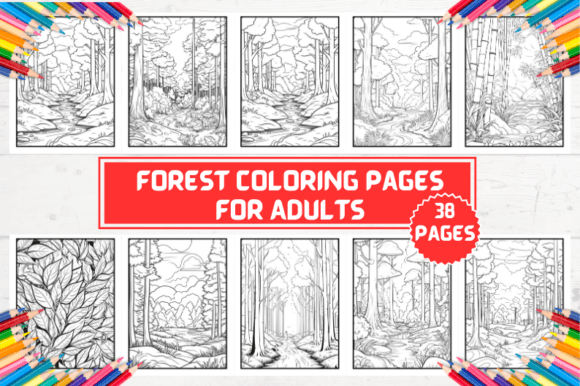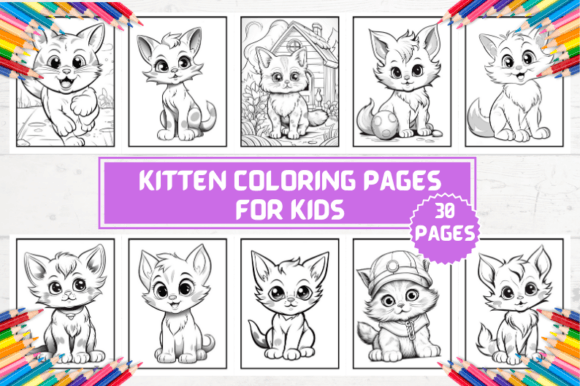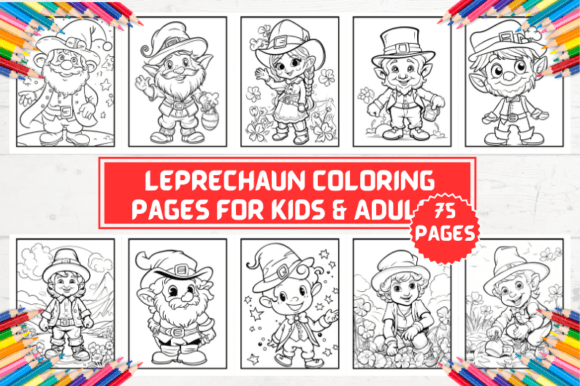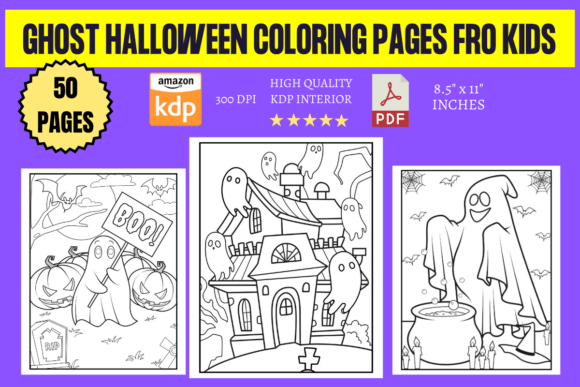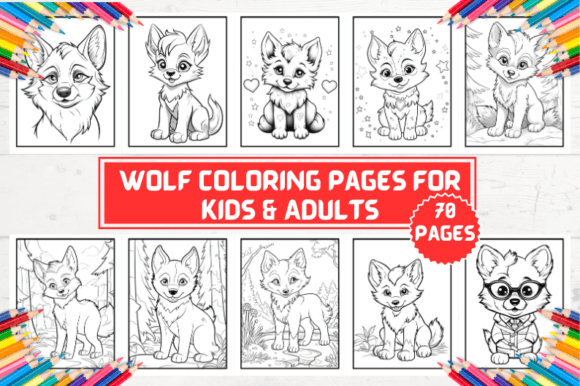
Wolf Coloring Pages for Kids
Wolf coloring pages for kids aren’t just a creative pastime—they’re a functional tool embedded in real-world workflows. Whether you're a small business owner preparing printable activity kits for an e-commerce store, an educator designing supplemental classroom materials, or a content creator building themed digital product bundles, these pages serve as modular, high-fidelity assets that integrate cleanly into production pipelines. The specific set described here—50 cross-themed coloring pages—extends that utility by combining thematic consistency (cross motifs) with technical readiness (print-optimized, KDP-compatible files). That dual focus makes it less of a “nice-to-have” and more of a purpose-built component in scalable content creation.
How This Set Fits Into Real Workflows
This collection isn’t designed to sit on a shelf—it’s built to move. Each of the 50 pages is delivered as a standalone PNG file at 8.5″ x 11″, 300 DPI resolution, meaning no resizing, no quality loss, and no post-processing before printing or uploading. For Amazon KDP publishers, that translates directly into faster upload cycles and fewer rejection risks due to formatting errors. For educators or camp coordinators, it means pulling a single file from the folder and sending it straight to a school printer—no conversion steps, no font embedding checks, no transparency issues.
The cross motif adds intentional versatility. Unlike generic animal or nature themes, cross designs support multiple use cases without rebranding: religious education materials, seasonal activity packs (Easter, Lent), character-building lessons around values like courage or resilience, or even secular mindfulness tools where symmetry and repetition support focus. That thematic flexibility reduces the need to source separate assets for overlapping audiences—streamlining inventory, reducing design overhead, and improving message alignment across platforms.
Preparation and Compatibility: What You Need to Know Before Use
Before integrating these files into your workflow, confirm two things: your output medium and your distribution channel. If you’re printing locally, verify that your printer supports standard letter-size paper and handles high-resolution JPG/PNG files natively—most modern inkjet and laser printers do, but older models may require converting to PDF first (a quick drag-and-drop into any free PDF generator solves this). If you’re uploading to Amazon KDP, note that the files are already formatted to meet their exact requirements: RGB color mode, no bleed, centered artwork, and proper margins. No additional cropping or layer flattening is needed.
Compatibility extends beyond software. These files work equally well in Canva, Adobe Express, Google Slides, or Microsoft PowerPoint—meaning you can easily add instructional text, branding headers, or learning objectives directly onto the coloring page before exporting as a multi-page PDF workbook. That adaptability supports hybrid delivery: print one version for hands-on use, export another as a low-data PDF for remote learners, and repurpose individual frames as social media visuals—all from the same source asset.
Organizing for Efficiency and Long-Term Use
When working with 50 distinct files, naming convention matters. The set arrives with clear, sequential numbering (e.g., “Cross_Coloring_01.png”, “Cross_Coloring_02.png”), which supports automation. You can batch-import them into design tools using folder-based scripts, sort them chronologically in digital asset management systems, or filter them by number in spreadsheet-based inventory trackers. Avoid renaming unless necessary—consistent labels preserve traceability during audits, updates, or version control.
Store the master folder separately from edited derivatives. Create subfolders for “Originals”, “Print-Ready-PDFs”, and “Social-Media-Exports” so edits don’t overwrite source files. This simple structure prevents accidental overwrites and accelerates reuse: next time you build a new holiday bundle, you can pull from “Originals” without hunting through layered PSDs or compressed ZIPs.
Implementation Tips for Specific Roles
- Educators: Pair each cross coloring page with a short reflection prompt (“What does strength mean to you?” or “Draw something that helps you feel safe”) to turn passive coloring into active processing. Print double-sided with prompts on the back—ideal for quiet journaling time or substitute teacher kits.
- Bloggers & Content Creators: Use individual pages as lead magnets. Embed one free sample in a blog post about mindfulness for kids, then gate the full 50-page set behind an email opt-in. Track downloads to gauge interest in faith-based or values-driven content themes.
- Small Business Owners: Bundle these with other themed printables (e.g., wolf-themed mazes, word searches, or gratitude journals) to increase average order value. Since all files share the same dimensions and resolution, bundling requires zero layout adjustments—just zip and label.
- KDP Publishers: Upload each file individually as interior pages in a black-and-white coloring book. Use the consistent 300 DPI and letter size to maintain uniform spine calculations across editions. Add a simple title page and copyright notice (both editable in any word processor), and you’ve got a publish-ready manuscript in under an hour.
Quality Control and Consistency Checks
Because these are digital printables—not hand-drawn scans—quality control is largely baked in. Still, run three quick checks before final deployment: First, open a random sample (e.g., file #27) in preview mode to confirm line weight and contrast are legible at actual print size—thin lines may disappear on low-ink printers. Second, verify that no file exceeds 10 MB (these don’t, but it’s a common KDP soft limit). Third, test print one page on your target paper stock: matte vs. glossy, 24 lb vs. 60 lb—line clarity and bleed behavior vary. Document your findings; they’ll inform future batches and reduce trial-and-error on new projects.
Long-Term Integration and Scalability
This set functions best not as a one-off download, but as part of a repeatable system. Once you’ve used it successfully in one context—say, a Sunday school curriculum—you’ll recognize patterns: how many pages per session work best, which motifs resonate most with your audience, how much prep time each activity actually takes. Capture those insights. Then, when you acquire a similar set—like Wolf Coloring Pages for Kids—you’ll know exactly how to slot it in: same folder structure, same naming logic, same testing protocol.
That repeatability compounds over time. A creator who builds five themed printable sets using this same workflow will spend less time troubleshooting formats and more time refining messaging, expanding audience reach, or adding interactive layers (like QR codes linking to audio-guided coloring sessions). The asset itself doesn’t change—but your ability to deploy it effectively does.
Practical Observations From Real Use
Users consistently report two unexpected benefits: First, the cross motif’s symmetry supports fine motor development more effectively than irregular shapes—kids stay engaged longer because the structure gives clear visual cues for where to begin and how to progress. Second, because the lines are crisp and uncluttered (no shading or background noise), these pages scan exceptionally well. That makes them ideal for hybrid classrooms: students color on paper, then teachers scan submissions into LMS gradebooks without losing detail.
One final note: While “Wolf Coloring Pages for Kids” suggests a narrow age range, the clean linework and balanced composition make these pages usable across wider developmental stages—from early elementary through upper middle school—especially when paired with differentiated instructions. That scalability increases ROI per file and reduces the need to maintain parallel asset libraries for different grade bands.